



As Racing Te Aroha prepares for the return of the jumps season this June, there’s plenty of work unfolding behind the scenes with the track currently undergoing its annual renovation. At the centre of it all is Track Manager Ryan Gartner, whose journey through racing has shaped both his perspective and his approach to track management.
Gartner’s path into the industry began early when he was still in his teens and has seen several evolutions over the course of his career to date.
“I started my racing career as a stable hand at the age of 14 in Foxton Beach with Mike Donoghue,” he recalls. “As my riding improved, Mike suggested I go to a bigger stable for the school holidays to gain experience. I moved up to Matamata for what was supposed to be a couple of weeks working for Mark Donoghue and Graham Richardson but I loved it and never went home.”
From those early days working under respected horsemen, Gartner progressed into a raceday riding apprenticeship with Lance Noble before transitioning into a foreman role.
“When my weight became too difficult to manage, I was fortunate to stay involved in a different capacity. That shift helped me improve my skills, knowledge, and appreciation of racing from another angle.”
It was nearly two decades ago that Gartner made the move into racecourse management, beginning a 15-year tenure with Matamata Racing Club.
“I was extremely lucky to be mentored and surrounded by top-class people in almost every aspect of racing whilst at Matamata,” he says.
It was there he developed the foundation that would eventually lead him to his current role at Racing Te Aroha and he’s been part of the team for nearly two years.
Today, Gartner finds the greatest satisfaction not just in raceday itself, but in the long-term preparation that underpins it.
“One of the most rewarding parts of the job is seeing everyone, owners, trainers, jockeys, sponsors and punters, enjoying their day and getting results,” he says. “It’s great knowing you’ve helped make that happen, not just through the work done in race week, but through plans and preparation implemented years in advance.”
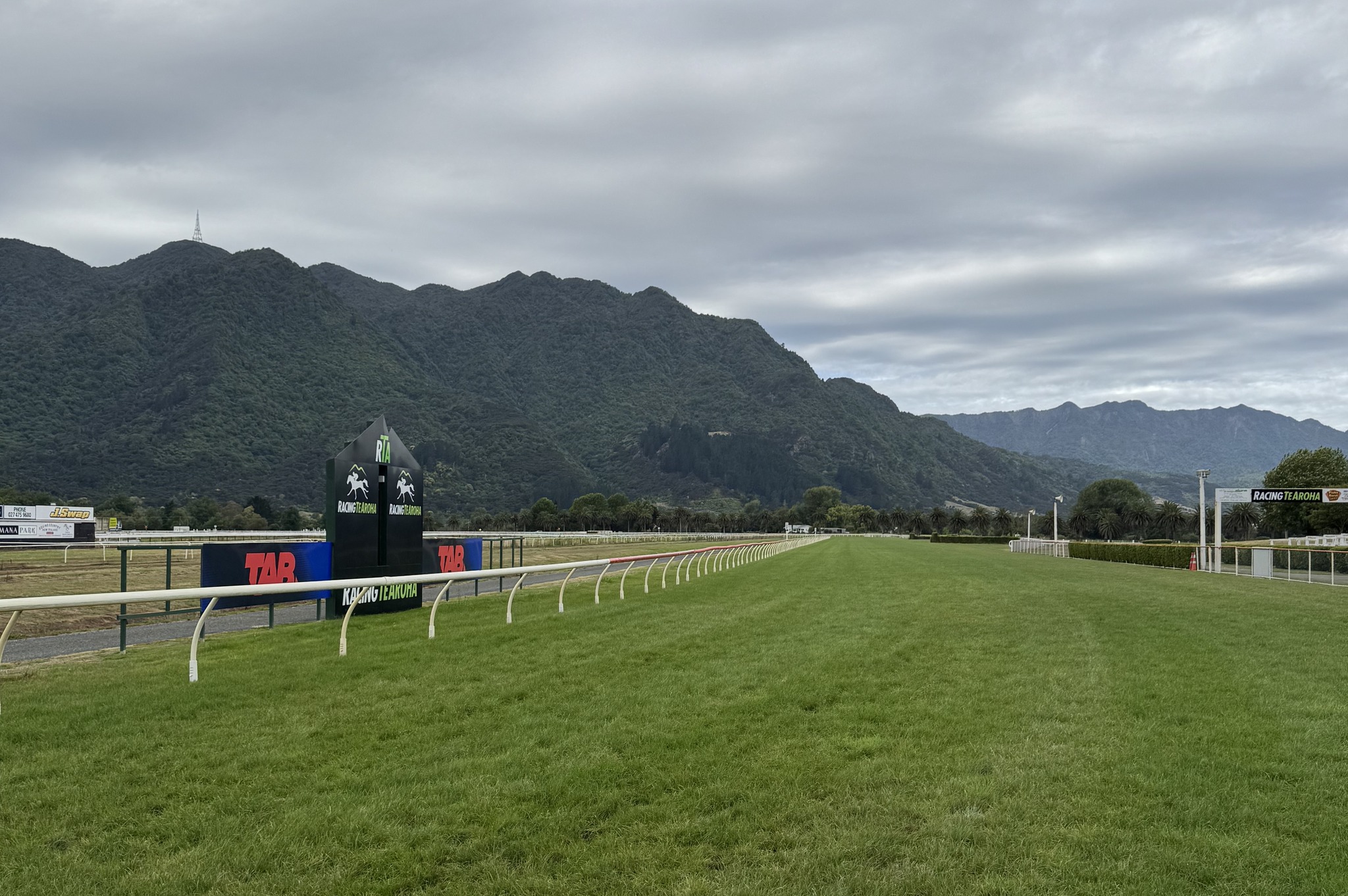
With Racing Te Aroha continuing to refine and strengthen its track, recent months have focused on targeted improvements. Following a major rebuild prior to Gartner’s arrival, the surface is still evolving.
“To keep progressing, we’ve had to focus heavily on decompaction work alongside very specific chemical application programmes,” he explains. “The past 12 months have brought some challenging weather conditions, but we’re confident we’re heading in the right direction.”
That commitment to continuous improvement is central to the Club’s vision, particularly as Te Aroha cements its place as a key venue on the jumps racing calendar.
“We continually have a number of projects on the go, both short and long term, to keep us moving forward. We see Te Aroha as a vital part of the industry, especially the role we play throughout the jumping season.”
The highlight of that calendar is the Great New Zealand Jumps Carnival taking place in September, now in its second year in 2026.
“The carnival is the pinnacle of our season,” Gartner says. “The hype and buzz across the weekend, it’s what racing is all about. And we believe it’s only going to get bigger and better.”
Preparing the track for such a demanding event is no small feat, particularly when weather conditions are less than ideal.
“Leading into the first day in 2025, we faced some real challenges,” he says. “We had to think outside the box, at one point using a giant silage cover to protect vulnerable areas as the rain came down. Thankfully, conditions improved later in the day, which helped limit the damage.”
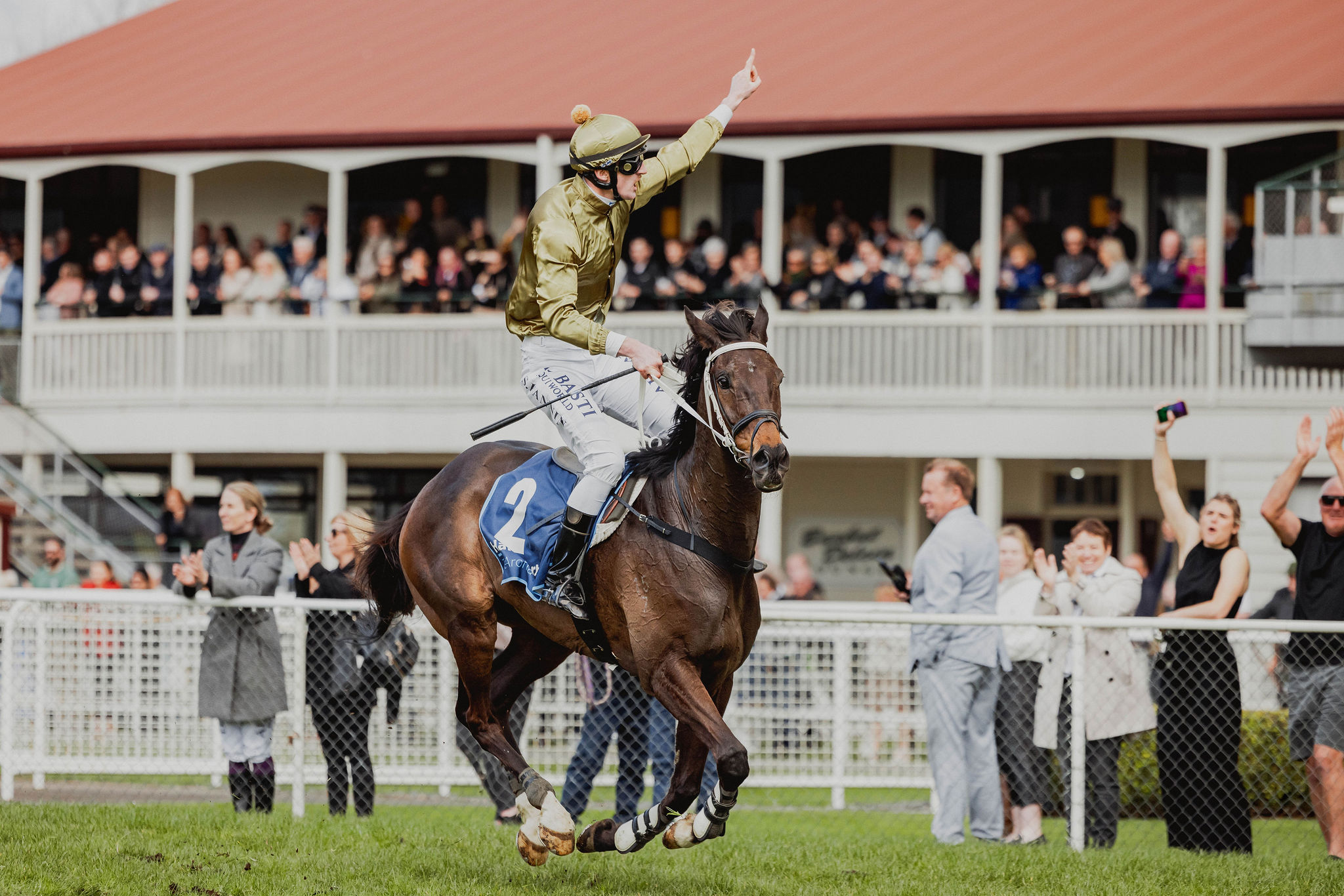
Recovery efforts were a true team effort, highlighting the strength of the local racing community.
“We’re incredibly lucky at Te Aroha. We have a great team, a committed committee, and fantastic local support. Everyone pitched in to help repair the track and prepare for the second and final day.”
Despite the heavy winter workload leading into the carnival, the track stood up well under pressure. Looking ahead, further enhancements have already been made particularly to the steeplechase course.
“We’ve done a significant amount of work over the summer based on what we learnt last winter,” Gartner says. “That should translate into noticeable improvements this coming season.”
As the countdown to our first jumps meeting in June continues, Ryan and the whole Racing Te Aroha team remain focused on delivering a high-quality racing surface and a great experience for all involved built on plenty of planning and a love for our sport.